
Teething or ear infection: How to tell what’s really bothering your baby
Produced by:

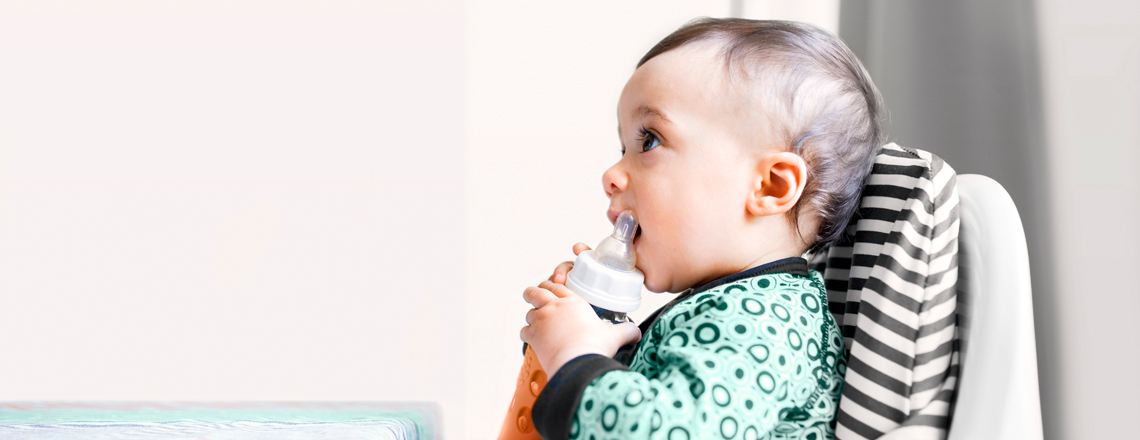
Teething and ear infections in babies can have similar signs. Here’s how to tell them apart.
When your baby is upset, it’s easy to worry. Are they teething? Or could it be an ear infection?
While both are common, knowing what to look for can help you comfort your little one. It can also help you figure out what to do next.
Let’s walk through the signs together, so you know what to watch for and when to call a doctor.
What teething looks like
Teething is a normal part of your baby’s development. It’s when your baby’s first teeth start to push through their gums. This can start as early as 4 months old and keep going until your child turns 3 or older.1,2
Here are some things you might notice if your baby is teething1:
- Red or swollen gums: The gums might look puffy and swollen.
- Crankiness: Your baby might seem extra fussy or not sleep as well.
- Chewing on things: Your baby might want to put everything in their mouth, and bite down hard.
- Drooling: You might find yourself wiping their chin a lot more than usual. Sometimes the extra drool can cause a rash around the mouth.2
If your baby has a fever while teething, it’s a good idea to bring them to a doctor to rule out something serious like an infection.
What an ear infection looks like
Ear infections are also common in babies and young kids. In fact, most children will have at least one before they turn three.3
An ear infection happens when germs get into the space behind your baby’s eardrum. This can happen when your child has a cold, and the tubes inside their ears get congested and don’t drain well.3
Some ear infections go away on their own. Your doctor may need to give your child medicine.3,4
Here are some signs your baby might have an ear infection3,4:
- Ear pain: Your baby might not have words for pain, but you might notice a lot of crying or fussiness, especially at night.
- Fever: If your baby’s rectal temperature is 100.4ºF (38ºC) or higher, it could be from an infection.
- Hearing changes: Your child might not turn their head when you talk. Or they might not seem to hear you well. This usually gets better when the infection goes away.
- Headache: Sometimes, if your child is old enough, they might say their head hurts.
- Fluid leaking from the ear: This can mean the eardrum has a small tear. It sounds scary, but it usually heals.
What about ear pulling?
Babies love to touch and tug at their ears, but it doesn’t always mean something’s wrong. This is normal between 4 and 12 months old.5 It can help them calm down. It is also associated with teething.
Pulling at the ear doesn’t always mean an ear infection. As long as your baby doesn’t have a fever or seem very upset, it’s usually nothing to worry about.5
How to tell the difference
Both teething and ear infections can make your baby fussy and warm. Here’s how you can spot the difference:
- High fever: If your baby’s temperature is over 101ºF (38.3ºC), it’s probably more than teething.2
- Trouble hearing: This usually only happens with ear infections.3
- Crying from pain: If your baby’s crying seems intense, it could be from an ear infection. Teething is more likely to make them grumpy.2
- Drooling, mouth rash and chewing: These are teething signs, not ear infection signs.2
Sometimes, your child might be teething and have an ear infection at the same time. If that happens, you might see signs of both.
How to soothe teething at home
Here are some ways you can help ease your baby’s teething pain1,2:
- Gum massage: Wash your hands and rub their gums gently with your finger.
- Teething rings: Use rubber teething rings.
- Cold cloth: Wet a washcloth, tie a knot in it, and put it in the freezer. Let your baby chew on it. Things that are cold, hard and with texture often help.
- Pain medicine: Ask your pediatrician if you can give your baby acetaminophen or another pain reliever for babies.
Don’t use teething gels, alcohol or teething necklaces. They are not safe for babies.2
When to talk with a doctor
If your baby isn’t starting to feel better or if they seem to be getting worse, it’s time to call a doctor.
Teething and ear infections can both disrupt your baby’s sleep and daily schedule, but they often need different care. Your baby’s pediatrician can help you figure out what’s really going on and show you ways to help your baby feel more comfortable while they heal.
A fever over 101ºF (38.3ºC) usually means it’s more than teething and may need to be seen by a doctor.1
Takeaway
Ear infections and teething are a common part of early childhood. Most of the time, they’re not serious.
There are a few simple things you can do at home to help your baby feel better. And remember: You’re not alone. If you’re ever unsure, it’s always OK to call your child’s doctor if you have questions or feel worried.
Sources
- Healthy Children. When does teething start? 2024.
- Healthy Children. Teething Pain relief: how to soothe your baby’s discomfort. 2025.
- Alter N, et al. Ear Infections in children: information for parents. Healthy Children. 2023.
- Healthy Children. Fever without fear: information for parents. 2022.
- Healthy Children. Ear – pulling at or rubbing. 2005.